
How to Build Home Equity Faster with Smart Renovations, Maintenance, and Mortgage Paydown

Home equity grows in two ways: your home becomes worth more, and your loan balance goes down. The best results come when both happen at the same time.
For most homeowners, equity is more than a number on paper. It can create financial flexibility, support future investments, or help fund a move when life changes. The key is to build it with steady, thoughtful choices instead of chasing expensive upgrades that may not pay off.

Start with the basics of home equity
Equity is the difference between your home’s market value and what you still owe on the mortgage.
If your home is worth $400,000 and your mortgage balance is $280,000, you have $120,000 in equity before selling costs or loan fees. That equity can rise when:
Property values increase
You make a larger down payment
You pay down the mortgage
You improve the home in ways buyers value
You avoid deferred maintenance that drags value down
That is the simple answer to How to Build Equity in Your Home, but the real progress comes from making smart decisions year after year.
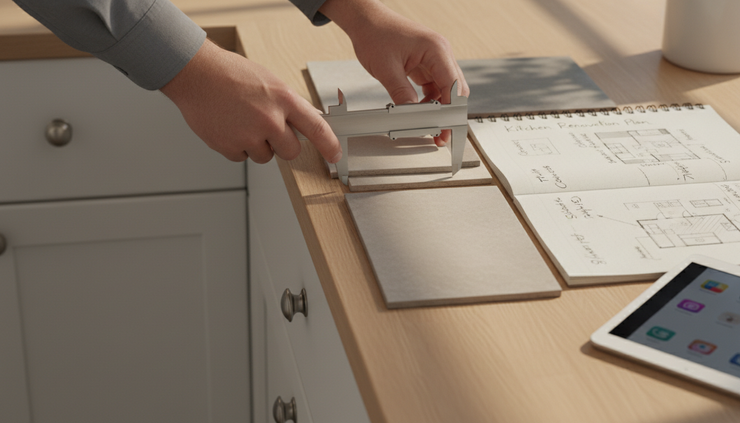
Choose renovations that add real value
Not every renovation builds equity. Some projects make a home more enjoyable, which matters, but they may not raise resale value by as much as they cost. The strongest upgrades usually improve function, safety, efficiency, or broad buyer appeal.
Focus first on improvements that solve visible or practical problems:
Updating an outdated kitchen without overbuilding for the neighborhood
Refreshing bathrooms with durable fixtures and clean finishes
Replacing worn flooring with practical, neutral materials
Improving lighting, storage, and layout where possible
Adding energy-efficient windows, insulation, or HVAC upgrades when needed
A smart renovation should fit the home, the area, and the likely buyer pool. A luxury kitchen in a modest starter-home neighborhood may not return as much value as a clean, practical remodel with quality materials.
Before starting a major project, compare nearby homes that recently sold. Look for what they have that yours lacks. If similar homes with updated bathrooms sell faster or for more, that information can guide your budget.
Maintain the home before problems get expensive
Maintenance may not feel exciting, but it protects equity. A home with a new kitchen can still lose value if the roof leaks, the foundation has cracks, or the HVAC system fails during an inspection.
Build a simple maintenance rhythm:
Check the roof, gutters, and drainage after heavy storms
Service heating and cooling systems regularly
Seal gaps around windows and doors
Watch for plumbing leaks under sinks and around toilets
Keep exterior paint, siding, and trim in good condition
Maintain landscaping so water flows away from the foundation
Small repairs often cost less than delayed repairs. They also help when it is time to sell. Buyers notice a home that feels cared for. Inspectors do too.
The goal is not perfection. The goal is to prevent small issues from becoming equity-draining surprises.
Keep records of repairs, service visits, permits, and warranties. A clear paper trail can reassure future buyers that the home has been maintained responsibly.
Pay down the mortgage with a plan
Mortgage paydown is one of the most reliable ways to build equity because every dollar that reduces principal increases ownership. Early in a standard mortgage, a larger share of each payment goes toward interest. Over time, more goes toward principal.
To build equity faster, consider these options:
Strategy | How it helps |
Make one extra principal payment each year | Reduces the loan balance faster and may shorten the loan term |
Add a fixed amount to each monthly payment | Builds steady progress without a major budget shock |
Apply bonuses or tax refunds to principal | Turns occasional income into long-term equity |
Refinance only when the math works | A lower rate can help, but fees and a longer term can reduce the benefit |
Always confirm that extra payments go toward principal, not future interest. Your loan servicer should show a clear option for principal-only payments.
Also, keep balance in mind. Paying down a mortgage can be a strong move, but cash reserves still matter. An emergency fund helps avoid high-interest debt if the roof, car, or medical bill surprises you.

Watch market trends without trying to time everything
Home values move with supply, demand, interest rates, jobs, schools, transportation, and local development. No homeowner can control the market, but paying attention helps you make better decisions.
Useful signals include:
Recent sale prices for similar homes nearby
How long homes stay on the market
Whether buyers favor move-in-ready homes or fixer-uppers
Planned roads, parks, schools, or commercial development
Local insurance, tax, and utility cost trends
Market awareness can shape your renovation choices. If buyers in your area prize energy efficiency, insulation and HVAC upgrades may matter more. If outdoor space is a major selling point, a safe deck or tidy patio may support value.
You do not need to become a real estate analyst. Check local listings every few months, review your annual property assessment, and talk with a qualified real estate professional before major projects or a sale.
Use home equity carefully for future investments
As equity grows, it can open doors. Homeowners may borrow against equity through a home equity loan, a home equity line of credit, or a cash-out refinance. These tools can help fund major repairs, education costs, a business purchase, or an investment property.
But home equity is still tied to your house. Borrowing against it adds debt and may put the home at risk if payments become unaffordable.
Use equity with a clear purpose:
Choose projects or investments with realistic long-term value
Compare interest rates, fees, and repayment terms
Avoid using home equity for short-lived purchases
Keep monthly payments comfortable
Leave a cushion so you are not fully tapped out
This is financial information, not personal financial advice. A qualified mortgage, tax, or financial professional can help you compare choices based on your income, goals, and risk tolerance.

Build equity one smart choice at a time
Home equity rarely grows from one dramatic project. It grows through steady mortgage paydown, practical renovations, regular maintenance, and a clear view of the market around you.
Start with what you can control this month. Review your mortgage, walk through the home with a maintenance checklist, and identify one improvement that protects or raises value. Small steps, done consistently, can turn homeownership into a stronger financial foundation.


Comments